
As a small business owner, your financing choice determines growth speed, cash flow health, and ultimate profitability. Should you use a hard money loan for rapid equipment acquisition? Is a DSCR loan better for business expansion? Or does a conventional bank loan make sense for long-term stability?
The wrong decision costs you thousands in fees, strangles cash flow, and limits growth opportunities. This guide breaks down hard money vs. DSCR vs. conventional business loans with real ROI examples, qualification requirements, and a decision framework to choose the right funding for your business strategy.
Side-by-Side Comparison: Business Funding Options
| Feature | Hard Money Business Loan | DSCR Business Loan | Conventional Bank Loan |
| Primary Use | Bridge financing, equipment, emergency capital | Business expansion, acquisitions, growth capital | Established businesses with strong financials |
| Qualification Basis | Business assets & collateral | Business cash flow (DSCR ratio) | Personal & business credit, income, DTI |
| Min Credit Score | 500+ (flexible) | 620+ (cash flow-based) | 680+ (strict) |
| Income Docs Required | Minimal (bank statements) | Business revenue proof | Full documentation (2 years tax returns, P&L) |
| Interest Rates | 12-25% (highest) | 8-18% (moderate) | 5-13% (lowest) |
| Loan Term | 6-24 months | 2-10 years | 3-25 years |
| Down Payment/Collateral | 20-30% collateral required | 10-20% down | 15-30% down + collateral |
| Funding Speed | 3-7 days (fastest) | 7-21 days | 30-90 days (slowest) |
| Prepayment Penalty | Usually none | Varies by lender | Often none |
| Max Loan Amount | $50K – $2M | $100K – $5M | $50K – $10M+ |
Hard Money Business Loans: Speed for Opportunities
What Is a Hard Money Business Loan?
Hard money business loans are asset-based short-term loans secured by business assets (equipment, inventory, accounts receivable, or commercial property). Unlike traditional bank loans, lenders focus on collateral value rather than your credit score or lengthy financial history.
At Brookestone Funding, we fund hard money business loans in as little as 5 days, enabling you to seize time-sensitive opportunities like equipment auctions, acquisition targets, or emergency working capital needs.
How Hard Money Business Loans Work
The Collateral Formula:
Maximum Loan = 60-75% of Collateral Value
Example: Your business needs $300,000 to acquire a competitor’s equipment at auction. You have existing equipment valued at $500,000.
- Collateral Value: $500,000
- Maximum Hard Money Loan: $500,000 × 65% = $325,000
- Your Access to Capital: $325,000 within 5 days
- Down Payment: $0 (collateral secures the loan)
This is how business owners act on opportunities that banks would take 60+ days to approve.
Pros & Cons of Hard Money Business Loans
✅ Advantages:
- Lightning-fast funding (3-7 days)
- Minimal documentation (no 2-year tax returns required)
- Flexible underwriting based on asset value, not personal credit
- Fund opportunities traditional lenders reject
- No financial covenants or strict reporting requirements
❌ Disadvantages:
- Highest interest rates (12-25% APR)
- Short loan term (6-24 months creates payment pressure)
- Origination points (2-5% of loan amount)
- Collateral risk (default can mean losing business assets)
- Requires clear exit strategy (refinance or asset sale)
Real ROI Example: Hard Money Equipment Acquisition
Deal Details:
- Opportunity: Acquire $400,000 manufacturing equipment at 30% discount ($280,000)
- Hard Money Loan: $280,000
- Collateral: Existing equipment valued at $450,000
- Interest Rate: 18% (12-month term)
- Origination Fee: 3 points ($8,400)
- Monthly Payment: Interest-only $4,200
Revenue Impact:
- New Equipment Productivity: Adds $50,000/month in revenue
- Gross Margin: 40% = $20,000/month profit
- Net Monthly Gain: $20,000 – $4,200 (interest) = $15,800
12-Month Profit:
- Total Additional Profit: $189,600
- Loan Payoff: $280,000 (refinanced into long-term equipment loan)
- Total Cost: $50,400 (interest) + $8,400 (points) = $58,800
- Net ROI: $130,800 on $0 cash out-of-pocket
When Hard Money Makes Sense: This business seized a time-sensitive opportunity that generated $130K profit by using speed to their advantage.
DSCR Business Loans: Growth Based on Cash Flow
What Is a DSCR Business Loan?
A Debt Service Coverage Ratio (DSCR) business loan qualifies you based on business revenue, not personal income. If your business revenue covers the loan payment, you qualify.
The DSCR Formula for Business:
DSCR Ratio = Annual Business Revenue ÷ Annual Debt Payments
- Typical Requirement: DSCR ≥ 1.15 (revenue covers debt by 15%)
- Brookestone Funding Minimum: 1.0 DSCR for established businesses
How DSCR Business Loans Work at Brookestone Funding
Example Qualification:
- Business Annual Revenue: $1,200,000 ($100K/month)
- Existing Annual Debt Payments: $400,000
- Requested Loan Annual Payment: $150,000
- Total Proposed Debt: $550,000
- DSCR: $1,200,000 ÷ $550,000 = 2.18 ✅ APPROVED
Your Personal Income: Never verified. We don’t ask for personal tax returns or calculate personal debt-to-income ratios.
Pros & Cons of DSCR Business Loans
✅ Advantages:
- No personal income docs (perfect for self-employed owners)
- Business-based qualification (separates personal/business finances)
- Scale your business based on performance, not personal credit
- Lower rates than hard money (8-18% vs. 12-25%)
- Longer terms (2-10 years for manageable payments)
❌ Disadvantages:
- Requires 2+ years business history (startups don’t qualify)
- Higher rates than conventional (but easier qualification)
- Business bank statements required (6-12 months)
- Personal guarantee often required (but not personal income verification)
- Slower than hard money (7-21 days vs. 3-7 days)
Real ROI Example: DSCR Business Expansion
Deal Details:
- Expansion Cost: $500,000 (new location build-out)
- DSCR Loan: $500,000 (5-year term, 12% APR)
- Monthly Payment: $11,122
- New Location Revenue (Projected): $30,000/month
- New Location Expenses: $18,000/month
- Net Monthly Cash Flow: $12,000
Loan Coverage:
- Annual Business Revenue: $1,440,000 (existing + new location)
- Total Annual Debt Payments: $533,464 (existing + new loan)
- DSCR: 2.70 (exceeds 1.15 requirement)
5-Year Return:
- Additional Profit: $12,000/month × 60 months = $720,000
- Total Loan Cost: $167,320 (interest)
- Net ROI: $552,680 on the expansion
When DSCR Makes Sense: You have strong business cash flow but complex personal finances or need to separate business from personal credit.
Conventional Business Loans: The Bank Route
What Is a Conventional Business Loan?
A conventional business loan is a traditional bank term loan or SBA loan requiring full personal and business financial documentation, strong credit, and meeting strict debt-to-income ratios.
Conventional Business Loan Requirements (2024)
- Credit Score: 680+ (preferably 720+)
- Debt-to-Income Ratio: ≤ 45% (personal + business)
- Documentation: 2-3 years business tax returns, YTD P&L, balance sheet, personal financial statement
- Business History: 3+ years preferred (2 years minimum)
- Collateral: Usually required for loans > $250K
- Down Payment: 15-30% for SBA loans, varies for conventional
Why Conventional Loans Are Limiting for Growing Businesses
The Personal Guarantee Trap: Banks heavily weight personal credit and income, even for established businesses. A personal mortgage, car payment, or student loans can kill your approval, even if the business is thriving.
The DTI Calculation:
Total Monthly Debt Payments ÷ Total Monthly Income = DTI Ratio
Example:
- Business Owner Income: $150,000/year ($12,500/month)
- Personal Mortgage: $3,500/month
- Car Payments: $800/month
- Student Loans: $600/month
- Current DTI: 39% (getting tight)
Add Business Loan: $2,500/month payment
- New DTI: 47% ❌ DENIED
Even though your business generates $2M annually, the bank denies you based on personal DTI.
Pros & Cons of Conventional Business Loans
✅ Advantages:
- Lowest interest rates (5-13% APR)
- Longest terms (up to 25 years for SBA)
- No prepayment penalties on most products
- Established process (predictable closing)
- Builds business credit history
❌ Disadvantages:
- Extensive documentation (months of financial statements)
- Strict DTI requirements (personal finances matter more than business health)
- Slow processing (30-90 days)
- Collateral often required (personal assets at risk)
- Startup-unfriendly (most require 3+ years in business)
When Conventional Makes Sense
- Established business (5+ years in operation)
- Strong personal credit (720+ FICO) and low personal DTI
- Profitable business with clean financials
- Large loan amounts ($500K+) where rate savings matter
- Long-term stability over growth speed
Bottom Line: Conventional loans work for mature, low-growth businesses with pristine financials, but growing businesses often hit qualification walls.
Decision Framework: Which Business Loan Should You Choose?
For Time-Sensitive Opportunities
Need Capital in Less Than 10 Days?
├── YES → Hard Money Business Loan (fast, asset-based)
│ └── Have Business Collateral? → Hard Money ✅
└── NO → Consider DSCR or Conventional
└── Personal Credit Issues? → DSCR ✅
Verdict: Hard money dominates when speed is critical—equipment auctions, acquisition opportunities, emergency working capital.
For Growth & Expansion
Business Established 3+ Years with Strong Cash Flow?
├── YES → DSCR Business Loan (no personal income docs) ✅
│ └── DSCR Ratio > 1.15? → DSCR ✅
├── YES → Conventional (if you have low personal DTI) → Conventional ✅
└── NO (1-2 years in business) → Hard Money (bridge to DSCR) ✅
Verdict: DSCR loans are the growth-stage business owner’s best tool—scale based on performance, not personal finances.
For Long-Term Stability
Business Mature (5+ years) + Personal Credit 720+ + Low DTI?
└── YES → Conventional or SBA Loan (lowest rates) ✅
Verdict: Established businesses with strong personal financials should pursue conventional or SBA for rate savings.
Industry-Specific Recommendations
Construction Companies
- Hard Money: Emergency equipment purchases, bridge payroll gaps
- DSCR: Growth capital for new contracts, based on project revenue
- Conventional: Rarely qualify due to cyclical revenue
Trucking/Logistics
- Hard Money: Fast truck purchases at auction
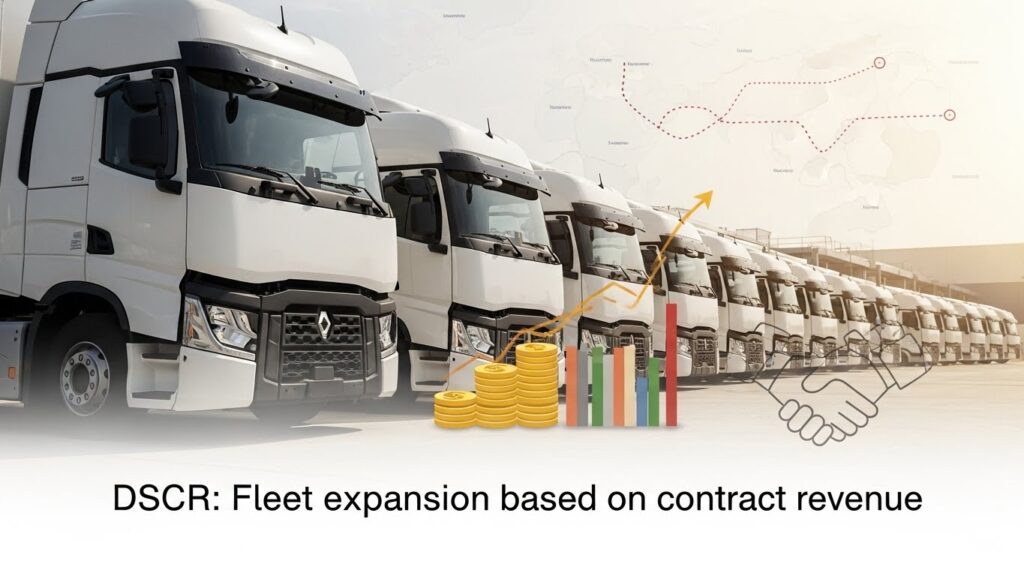
- DSCR: Fleet expansion based on contract revenue
- Conventional: Difficult due to high equipment debt
Restaurants/Retail
- Hard Money: Emergency repairs, inventory for peak season
- DSCR: Expansion to new location based on existing sales
- Conventional: Only for 5+ year established locations
Manufacturing
- Hard Money: Equipment auctions, raw material bulk purchases
- DSCR: Production line expansion based on revenue
- Conventional: Works for 10+ year established manufacturers
Common Questions from Business Owners
Can I Refinance from Hard Money to DSCR?
Yes—this is the “bridge-to-permanent” strategy:
- Use hard money for immediate need (equipment, opportunity)
- Operate for 6-12 months, building revenue history
- Refinance into DSCR loan based on improved cash flow
- Lower your rate from 18% to 12% and extend term
Brookestone Funding offers both and can streamline your refinance.
What’s the Minimum Credit Score for Each?
- Hard Money: 500+ (collateral-based)
- DSCR Business: 620+ (cash flow-based)
- Conventional: 680+ (credit-based)
Key Insight: Below 680? Forget conventional. DSCR and hard money are your options.
Can I Get Approved with a New Business?
- Hard Money: Yes (with strong collateral)
- DSCR: No (requires 2+ years revenue history)
- Conventional: No (requires 3+ years)
Startup Strategy: Use hard money for first 2 years, then transition to DSCR.
What Are Points and Why Do Hard Money Lenders Charge Them?
Points = Loan origination fee (1 point = 1% of loan amount)
On a $300K hard money loan at 3 points = $9,000 fee.
Why It’s Worth It: If that $300K loan generates $150K in additional profit, the $9K fee is irrelevant.
Your Business Stage Dictates Your Loan
| If Your Business Is… | Choose This Loan | Why |
| Startup (0-2 years) | Hard Money | Only option without revenue history |
| Growth stage (2-5 years) | DSCR Loan | Scale based on cash flow, not personal credit |
| Mature, stable (5+ years) | Conventional/SBA | Lowest rates if you qualify |
| Need cash in 7 days | Hard Money | Speed beats rate |
| Cash flow strong, credit weak | DSCR Loan | Revenue-based qualification |
| Hit bank DTI limits | DSCR Loan | Personal finances don’t matter |
Next Steps: Get Pre-Approved in 24 Hours
Ready to fund your business growth? Brookestone Funding specializes in hard money and DSCR business loans for owners who think outside the conventional box.
Hard Money Pre-Approval
- Submit in 5 minutes
- Term sheet in 24 hours
- Funding in 3-7 days
- [Apply for Hard Money Pre-Approval →]
DSCR Loan Pre-Qualification
- No personal tax returns
- Qualify based on business revenue
- Terms from 2-10 years
- [Check DSCR Loan Rates →]
Questions? Talk to a Business Funding Specialist
Our team has funded $250M+ in business growth. We’ll review your scenario and recommend the optimal strategy.
📞 Call 212-258-0602 | 📧 info@brookstonefunding.com
FAQs
Can I use hard money for working capital?
Yes, if you have equipment, inventory, or receivables as collateral.
What’s the maximum loan amount for each?
Hard Money: $50K-$2M. DSCR: $100K-$5M. Conventional: $50K-$10M+.
Do you offer 10-year DSCR loans?
Yes, Brookestone Funding offers 2, 5, 7, and 10-year DSCR terms.
Can I get a hard money loan with bad credit?
Yes—our hard money loans are collateral-based, not credit-based.
Are DSCR loans more expensive than conventional?
Yes, 2-5% higher APR, but you gain qualification flexibility worth it for growing businesses.
About Brookestone Funding
Brookestone Funding is a nationwide direct lender specializing in alternative small business financing. We fund hard money business loans in 5 days and DSCR loans in 7-21 days, with over $250 million in business growth capital funded since 2018.